

ঢাকা ১২:৫১ অপরাহ্ন, বুধবার, ০১ জুলাই ২০২৬, ১৭ আষাঢ় ১৪৩৩ বঙ্গাব্দ
সংবাদ শিরোনাম :
৪০ বছর পর নকআউট ‘অভিশাপ’ কাটাতে পারল মেক্সিকো আবারও ভারতে ভাঙা হলো মসজিদ ও মাজার শক্তিশালী ভূমিকম্পে কাঁপল মেক্সিকো The Politics of Dams: Can Development Exist Without Trust? চকরিয়ায় স্বরাষ্ট্রমন্ত্রীর ৬৪তম জন্মদিনে দোয়া মাহফিল মহেশখালী-কক্সবাজার নৌপথে ১ জুলাই বন্ধ থাকবে সি-ট্রাক চলাচল নানা অপকর্মের হোতা হারবাংয়ের বালু নাজেম কারাগারে ‎কেপ ভার্দের বিপক্ষে হেরে বিদায় নেবে আর্জেন্টিনা—ঘানার সেই ওঝার ভবিষ্যদ্বাণী টেকনাফে পাহাড়ে র‌্যাব-পুলিশের যৌথ অভিযান : অপহৃত ৪ তরুণ উদ্ধার মানবতাবিরোধী অপরাধের মামলায় ইনুর ১০ বছরের কারাদণ্ড সালাহ উদ্দিন আহমদ উপকূল, সংগ্রাম ও প্রত্যাবর্তনের কাব্য তিস্তা মহাপরিকল্পনায় অন্য কোনো দেশের কনসার্নের সুযোগ নেই : তথ্য উপদেষ্টা উখিয়া সীমান্তে ৬০ হাজার পিস ইয়াবাসহ মাদক কারবারি আটক ব্রাজিলিয়ানরা বাংলাদেশকে ভালোবাসে, বললেন আলিসন এইচএসসি শুরু বৃহস্পতিবার, কেন্দ্রের আশপাশে ১৪৪ ধারা

The Politics of Dams: Can Development Exist Without Trust?

  • TTN DESK
  • আপডেট সময় : ১১:১৫:৪৪ পূর্বাহ্ন, বুধবার, ১ জুলাই ২০২৬
  • 61

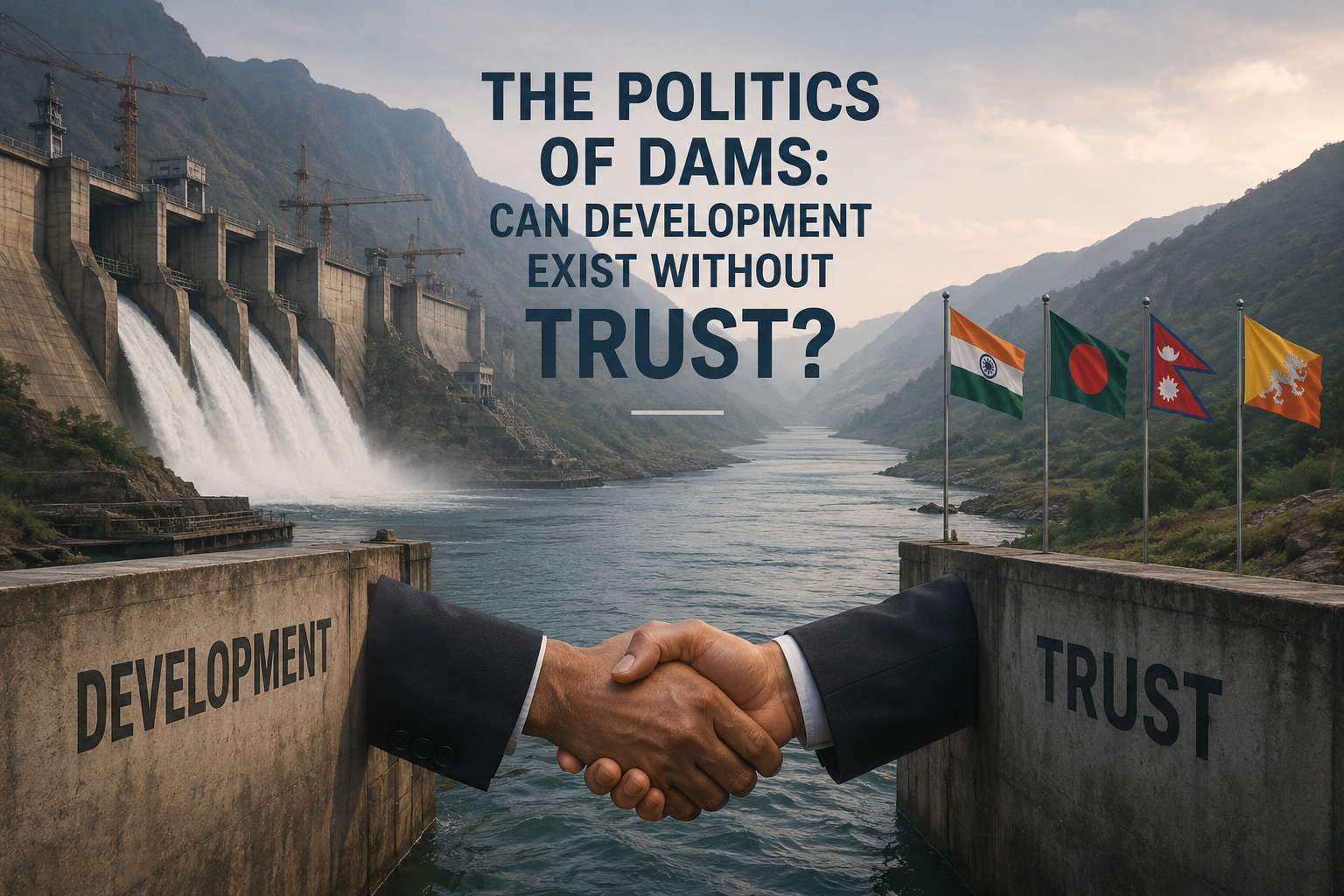
When governments announce the construction of a new dam, the public usually associates it with progress. Dams promise electricity, irrigation, flood control, and economic growth. They are often celebrated as symbols of modernization and national ambition. Yet, behind every large dam lies a political question that is becoming increasingly difficult to ignore: Can development truly succeed when trust between neighboring countries is absent?

This question is particularly relevant in today’s world, where over 260 rivers cross national borders. Rivers do not stop at checkpoints or respect political boundaries. What happens upstream inevitably affects those living downstream. While governments have the sovereign right to pursue development, they also share a responsibility to ensure that their actions do not undermine the welfare of neighboring states. In this sense, dams are no longer just engineering projects—they have become instruments of diplomacy, cooperation, and sometimes conflict.

Supporters of large dams argue that developing countries cannot afford to ignore their enormous benefits. Hydropower provides renewable energy, reduces dependence on fossil fuels, and supports industrial growth. Reservoirs help manage floods and provide reliable water supplies for agriculture and cities. For governments facing rising populations and increasing energy demands, investing in dams often appears to be a logical and necessary choice.

However, development should not be measured only by the number of megawatts generated or the amount of farmland irrigated. It should also be measured by its regional consequences. A dam that benefits one country may reduce water flow, alter ecosystems, disrupt fisheries, and threaten the livelihoods of communities living downstream. These impacts often extend far beyond national borders, turning domestic infrastructure projects into international political issues.

Trust becomes the defining factor in this context. When neighboring countries are informed, consulted, and included in decision-making, disagreements become easier to manage. In contrast, when governments act unilaterally and withhold information, suspicion quickly replaces cooperation. Water then transforms from a shared natural resource into a source of diplomatic tension.

South Asia offers an important example of this challenge. Many of the region’s major rivers are shared by multiple countries, making cooperation essential rather than optional. Bangladesh, situated downstream of several transboundary rivers, depends heavily on upstream water for agriculture, fisheries, navigation, and ecological balance. Any significant alteration in river flow has direct consequences for millions of people. This reality demonstrates why water management should never be viewed solely through a domestic political lens.

The issue is not unique to South Asia. Similar tensions have emerged in Africa, Southeast Asia, and other regions where countries share river basins. While upstream states often emphasize their sovereign right to develop water resources, downstream countries argue that development must not cause significant harm beyond national borders. Both perspectives contain legitimate concerns, but lasting solutions require dialogue rather than unilateral action.

Climate change has further complicated this debate. Rising temperatures, prolonged droughts, and increasingly unpredictable rainfall have intensified competition over freshwater resources. Governments are responding by expanding water storage and hydropower infrastructure, yet climate uncertainty also makes regional cooperation more important than ever. In times of scarcity, trust becomes an invaluable resource.

Trust, however, cannot be built through political speeches alone. It requires transparency, timely data sharing, scientific collaboration, and genuine diplomatic engagement. Countries sharing rivers should exchange hydrological information, notify one another before launching major infrastructure projects, and establish mechanisms for joint monitoring and conflict resolution. These measures may not eliminate disagreements entirely, but they significantly reduce the risk of misunderstanding and escalation.

Some may argue that national development should never depend on the approval of neighboring countries. While this position reflects the principle of sovereignty, it overlooks the interconnected nature of shared rivers. Geography itself creates mutual dependence. Ignoring this reality may deliver short-term political gains, but it often produces long-term diplomatic costs. Sustainable development cannot be achieved if it weakens regional stability or erodes trust among neighbors.

In my view, the real challenge is not choosing between development and cooperation. The challenge is ensuring that development is pursued through cooperation. Economic growth and regional trust should reinforce one another rather than compete. Governments must recognize that successful water governance is not simply about controlling rivers; it is about managing relationships.

The future of international water politics will not be determined solely by the size of dams or the amount of electricity they generate. It will depend on whether countries can replace suspicion with dialogue and competition with cooperation. Concrete structures may hold back rivers, but they cannot hold together fragile diplomatic relationships. Only trust can do that. In an era defined by climate uncertainty and growing water insecurity, trust is no longer a diplomatic luxury—it is the foundation upon which sustainable development must be built.


Umme Humayra, Department of International Relations,Jahangirnagar University.

ট্যাগ :

The Politics of Dams: Can Development Exist Without Trust?

আপডেট সময় : ১১:১৫:৪৪ পূর্বাহ্ন, বুধবার, ১ জুলাই ২০২৬

When governments announce the construction of a new dam, the public usually associates it with progress. Dams promise electricity, irrigation, flood control, and economic growth. They are often celebrated as symbols of modernization and national ambition. Yet, behind every large dam lies a political question that is becoming increasingly difficult to ignore: Can development truly succeed when trust between neighboring countries is absent?

This question is particularly relevant in today’s world, where over 260 rivers cross national borders. Rivers do not stop at checkpoints or respect political boundaries. What happens upstream inevitably affects those living downstream. While governments have the sovereign right to pursue development, they also share a responsibility to ensure that their actions do not undermine the welfare of neighboring states. In this sense, dams are no longer just engineering projects—they have become instruments of diplomacy, cooperation, and sometimes conflict.

Supporters of large dams argue that developing countries cannot afford to ignore their enormous benefits. Hydropower provides renewable energy, reduces dependence on fossil fuels, and supports industrial growth. Reservoirs help manage floods and provide reliable water supplies for agriculture and cities. For governments facing rising populations and increasing energy demands, investing in dams often appears to be a logical and necessary choice.

However, development should not be measured only by the number of megawatts generated or the amount of farmland irrigated. It should also be measured by its regional consequences. A dam that benefits one country may reduce water flow, alter ecosystems, disrupt fisheries, and threaten the livelihoods of communities living downstream. These impacts often extend far beyond national borders, turning domestic infrastructure projects into international political issues.

Trust becomes the defining factor in this context. When neighboring countries are informed, consulted, and included in decision-making, disagreements become easier to manage. In contrast, when governments act unilaterally and withhold information, suspicion quickly replaces cooperation. Water then transforms from a shared natural resource into a source of diplomatic tension.

South Asia offers an important example of this challenge. Many of the region’s major rivers are shared by multiple countries, making cooperation essential rather than optional. Bangladesh, situated downstream of several transboundary rivers, depends heavily on upstream water for agriculture, fisheries, navigation, and ecological balance. Any significant alteration in river flow has direct consequences for millions of people. This reality demonstrates why water management should never be viewed solely through a domestic political lens.

The issue is not unique to South Asia. Similar tensions have emerged in Africa, Southeast Asia, and other regions where countries share river basins. While upstream states often emphasize their sovereign right to develop water resources, downstream countries argue that development must not cause significant harm beyond national borders. Both perspectives contain legitimate concerns, but lasting solutions require dialogue rather than unilateral action.

Climate change has further complicated this debate. Rising temperatures, prolonged droughts, and increasingly unpredictable rainfall have intensified competition over freshwater resources. Governments are responding by expanding water storage and hydropower infrastructure, yet climate uncertainty also makes regional cooperation more important than ever. In times of scarcity, trust becomes an invaluable resource.

Trust, however, cannot be built through political speeches alone. It requires transparency, timely data sharing, scientific collaboration, and genuine diplomatic engagement. Countries sharing rivers should exchange hydrological information, notify one another before launching major infrastructure projects, and establish mechanisms for joint monitoring and conflict resolution. These measures may not eliminate disagreements entirely, but they significantly reduce the risk of misunderstanding and escalation.

Some may argue that national development should never depend on the approval of neighboring countries. While this position reflects the principle of sovereignty, it overlooks the interconnected nature of shared rivers. Geography itself creates mutual dependence. Ignoring this reality may deliver short-term political gains, but it often produces long-term diplomatic costs. Sustainable development cannot be achieved if it weakens regional stability or erodes trust among neighbors.

In my view, the real challenge is not choosing between development and cooperation. The challenge is ensuring that development is pursued through cooperation. Economic growth and regional trust should reinforce one another rather than compete. Governments must recognize that successful water governance is not simply about controlling rivers; it is about managing relationships.

The future of international water politics will not be determined solely by the size of dams or the amount of electricity they generate. It will depend on whether countries can replace suspicion with dialogue and competition with cooperation. Concrete structures may hold back rivers, but they cannot hold together fragile diplomatic relationships. Only trust can do that. In an era defined by climate uncertainty and growing water insecurity, trust is no longer a diplomatic luxury—it is the foundation upon which sustainable development must be built.


Umme Humayra, Department of International Relations,Jahangirnagar University.